
You know the feeling. You’re scrolling a surf shop site and spot a bikini or pair of boardshorts with a leaf icon, a muted green palette, and the word “eco” splashed across the page. Part of you wants to trust it. The other part is already squinting at the fine print.
That tension is exactly where greenwashing in surfwear lives. In plain English, it’s when brands sound far greener than they really are. The photos look clean, the copy talks about loving the ocean, yet the product still depends on fossil-based fabrics, murky supply chains, and short-life design.
For a culture that spends so much time in saltwater, that matters. Surfing has always wrapped itself in nature, freedom, and care for the sea. Yet the industry behind the dream still runs hard on plastic, chemicals, shipping, and churn. As we’ve touched on in our piece on Exploring the new wave of sustainability in surfing, the gap between the story and the system can be massive.
This guide is your pre-purchase sniff test. Ten simple red flags, pulled straight from product pages, labels, and hangtags, so you can spot shaky eco claims, sidestep the hype, and support brands that are actually trying to do right by the ocean.
What Greenwashing in Surfwear Looks Like, and Why Surfers Should Care

Greenwashing in surfwear happens when a brand presents clothes, wetsuits, or accessories as more sustainable than they really are. It’s polished messaging, not real progress.
Maybe it’s a polyester rashie branded “Ocean Conscious” even though it’s made from standard virgin plastic. Maybe it’s a “sustainable” boardshort where the only recycled part is the drawcord. The page feels calm, blue, and beachy, but the facts don’t stack up.
Surfers sit close to the damage. We paddle through plastic after storms. We smell runoff after heavy rain. We watch local breaks change over time, reef by reef and bay by bay. So when brands wrap a clean story around a dirty system, they turn real care into a sales tool. At the same time, they squeeze out smaller labels doing the slower, harder work.
As Wavelength points out in A Surfer’s Guide to Greenwashing, this isn’t some side issue. It shapes what gets made, what materials scale up, and what kind of surf culture we normalize.
A simple definition of greenwashing in surfwear
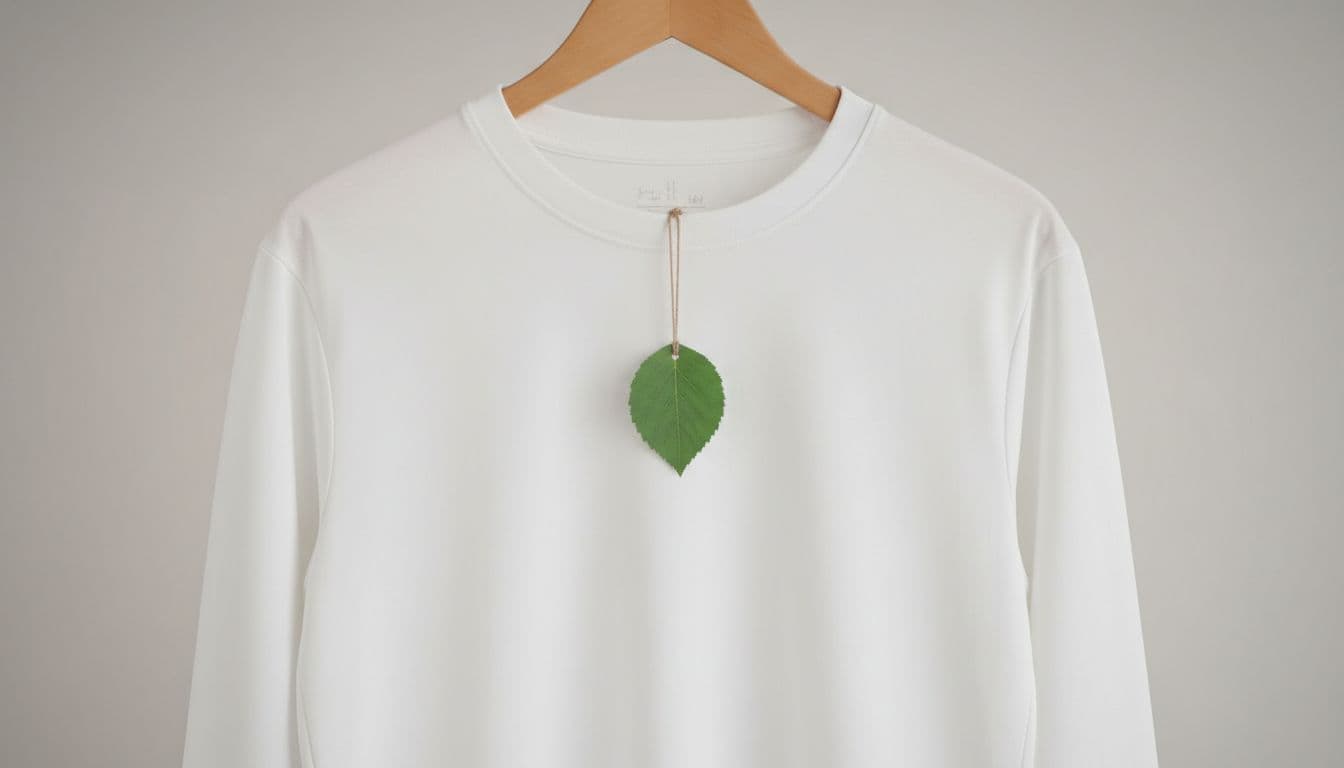
Here’s the plain version. Greenwashing in surfwear is when a brand makes a product sound eco-friendly, but the claim is vague, inflated, or only partly true.
Picture a white surf tee with a tiny leaf icon on the chest. The tag says “planet-friendly collection.” There’s no fabric breakdown, no recycled percentage, no factory detail, and no proof behind the language. Just a soft green label and a dreamy line about protecting the sea. That’s the pattern.
The problem isn’t that the tee exists. The problem is the gap between the soft-focus marketing and the harder truth of the material, the making, and the product’s end of life.
Why spotting greenwashing matters for ocean lovers

When we buy greenwashed surfwear, we keep the same messy supply chains moving. Virgin polyester and nylon mean more fossil fuel use. Synthetic fabrics also shed microfibers, tiny plastic strands that break loose through wear, washing, sun, and salt. Those fibers are a major path from clothing into waterways.
There are people hidden inside that story too. Low-paid factory labor, weak safety standards, and polluted rivers often sit in the same chain as the “eco” product you’re being sold. Ocean health, labor ethics, and textile waste aren’t separate problems. They’re tangled together.
If we can’t tell proof from polish, real progress gets buried under nicer marketing. Brands that publish clear data, offer repairs, or cut production lose space to louder campaigns and prettier tags. That’s why it helps to know the tells before you buy anything with a turtle, wave, or leafy badge on it.
10 Red Flags of Greenwashing Hiding in Surfwear Product Pages and Hangtags
Red flag 1: Vague eco words with no details

“Eco.” “Conscious.” “Planet-friendly.” “Better for the ocean.” These words sound great, but on their own they mean almost nothing.
When you see them, skip past the mood and go straight to the facts. Look for a real fiber breakdown, such as “92% recycled nylon, 8% elastane.” Check where it was made. Then see whether the brand explains what changed and why that change lowers impact.
If a product page gives you nice colors, ocean copy, and zero hard numbers, you’re probably looking at greenwashing in surfwear. Good brands don’t hide the details. If they’ve done the work, they usually show their receipts.
Red flag 2: Nature imagery covering up dirty materials
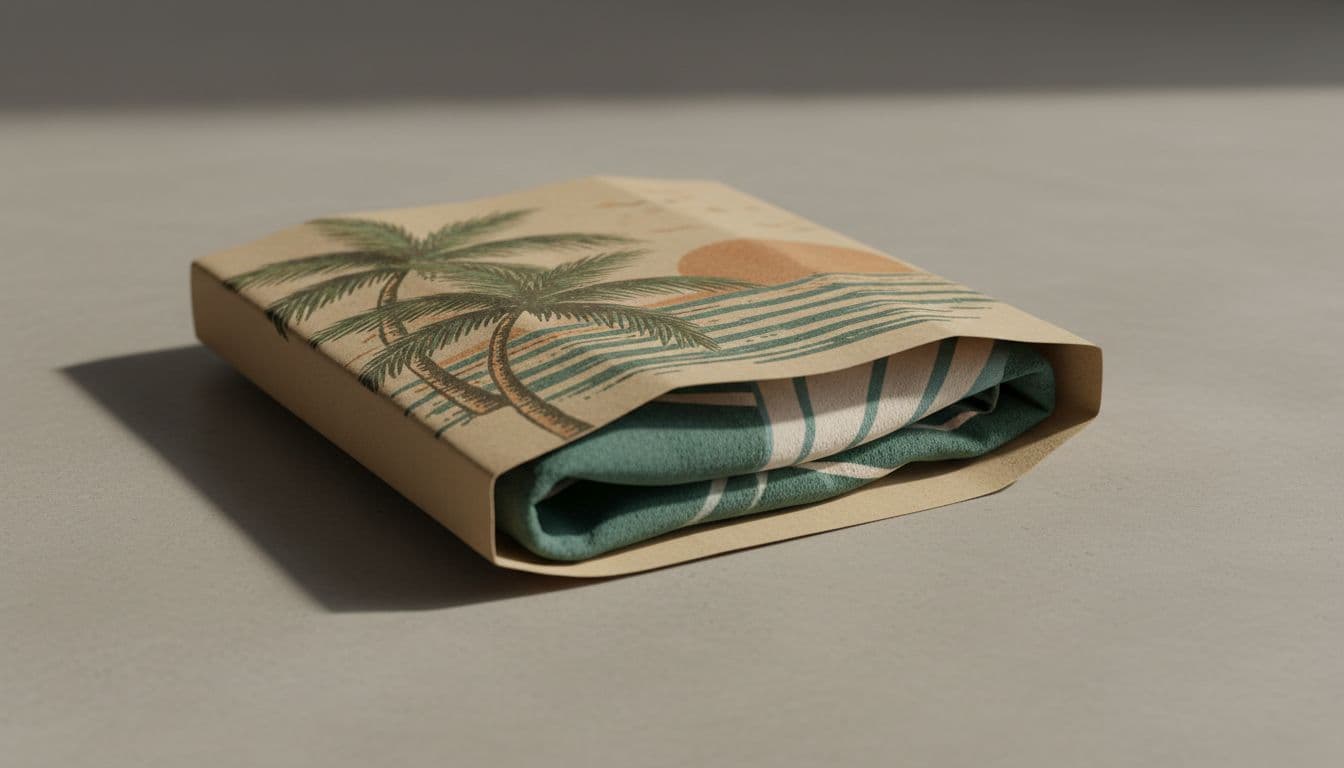
A tag with a turtle, a breaking wave, or a hand-drawn palm tree feels harmless. It also works. It nudges your brain toward trust.
But earthy design is cheap. Swapping materials, improving factories, and cutting waste is the hard part. A recycled-looking hangtag can still sit on a garment made from 100% virgin polyester.
So ignore the vibe for a second. Read the care label. Check the composition. If all you see is standard polyester, nylon, or vague “synthetic” wording with no recycled percentage or traceability, the artwork is doing the heavy lifting, not the ethics.
Red flag 3: “Ocean-bound” plastic sold like an ocean rescue
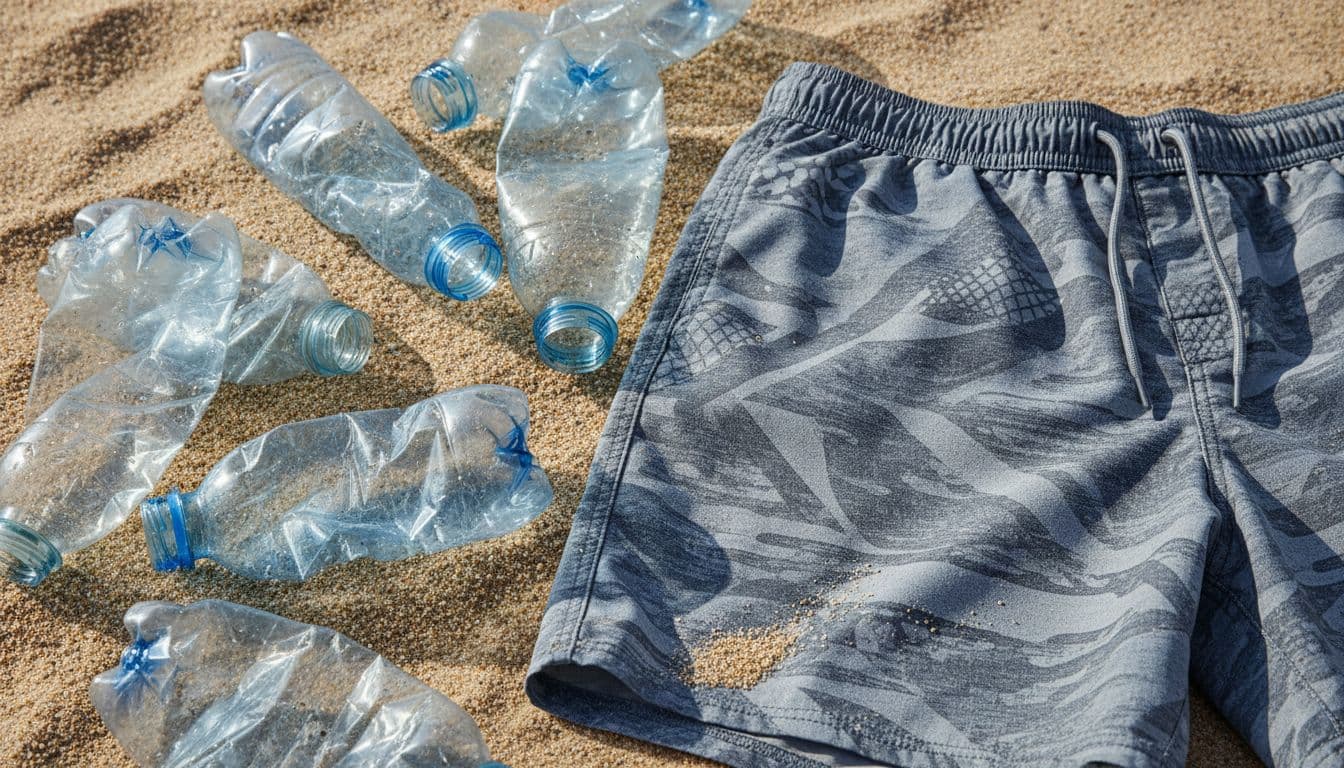
Loads of surf brands now push “ocean plastic” or “ocean-bound plastic” boardshorts. It sounds heroic, as if you’re wearing a beach cleanup around your waist.
The reality is usually less dramatic. In practice, ocean-bound plastic often means plastic collected on land, often within about 50 kilometers of a coastline or major waterway, in places where waste systems are weak. That can help stop leakage before it reaches the sea, but it’s not the same as pulling waste from the open ocean.
There’s another catch. When bottles get turned into polyester clothing, they often leave a more circular bottle-to-bottle loop and enter a one-way path. Apparel is hard to recycle again because of dyes, trims, blends, and stretch fibers. Then there’s shedding. Those boardshorts can still release microfibers through wear and washing.
So if a brand treats “made from bottles” as a full ocean solution, slow down. Recycled polyester can be better than virgin in some cases, but it isn’t a magic shield against plastic pollution. If the claim is real, the brand should also explain how it reduces shedding, extends product life, and handles end of life.
Red flag 4: Tiny recycled content dressed up as a major win
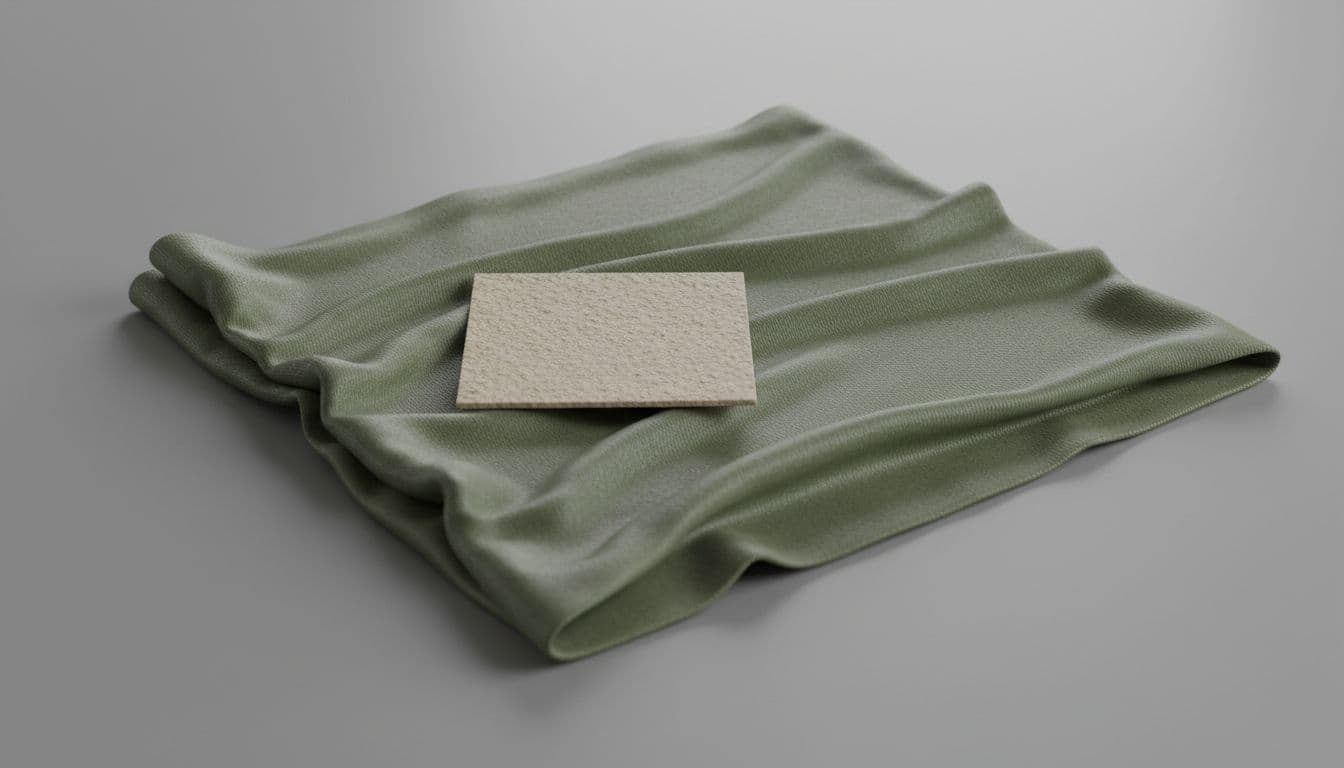
This one shows up all the time. A bikini is marketed as “made from waste” or “recycled swimwear,” so you assume most of it is recycled.
Then you find the small print. Maybe it’s 20% recycled polyester and 80% virgin polyester. Maybe the “recycled” bit is a trim or lining. Suddenly the headline and the actual makeup are miles apart.
Always look for the percentage. “Contains recycled fibers” is slippery. “80% recycled nylon” tells you far more. If a brand won’t share the number, or only uses vague wording like “includes” or “features,” treat that as a warning sign.
Red flag 5: No clear material or supply chain transparency

Some surf product pages feel oddly blank. No full fabric breakdown. No country of origin. No factory detail. No hint of who cut, sewed, glued, dyed, or assembled the thing.
Responsible brands usually give you at least the basics. Better ones go further and publish factory names, audit summaries, repair info, or annual impact reports. They may even admit trade-offs, which is often a good sign because honest work tends to sound less polished than marketing copy.
When the facts are missing, one of two things is often happening. Either the brand isn’t tracking its impact properly, or it knows the answers won’t look great. Either way, if they won’t tell you what it’s made from and where it was made, they haven’t earned trust.
Red flag 6: One small “eco” line used to clean up the whole brand

You’ve seen this move before. A big surf label drops a tiny eco capsule, maybe a few bikinis, a tote, and some recycled nylon shorts. Meanwhile, the rest of the range rolls on with standard synthetics, heavy packaging, and the same old production model.
That’s halo marketing. A small green collection throws a glow over the full brand, even when most of the business stays unchanged.
So zoom out before you buy. Ask how much of the total range has actually shifted. Does the company publish targets to reduce synthetic volume across the board? Does it back repairs, resale, or spare parts? Or is the whole “sustainability” story hanging off one limited drop and a nice press release?
Red flag 7: Feel-good impact claims with no numbers behind them
“Lower carbon.” “Less water.” “Kinder to the planet.” “Better for the ocean.” Nice words, but compared to what?
If a brand says it cut emissions, there should be a baseline and a figure. If it says it uses less water, it should explain how much less and where that data comes from. Strong claims need boring support, such as dates, methods, verification, and year-on-year tracking.
This is where a lot of greenwashing in surfwear falls apart. The copy sounds scientific, but the detail never lands. Without a baseline, a timeframe, or outside checks, “better” is just a mood.
Red flag 8: Badges that look official but prove nothing
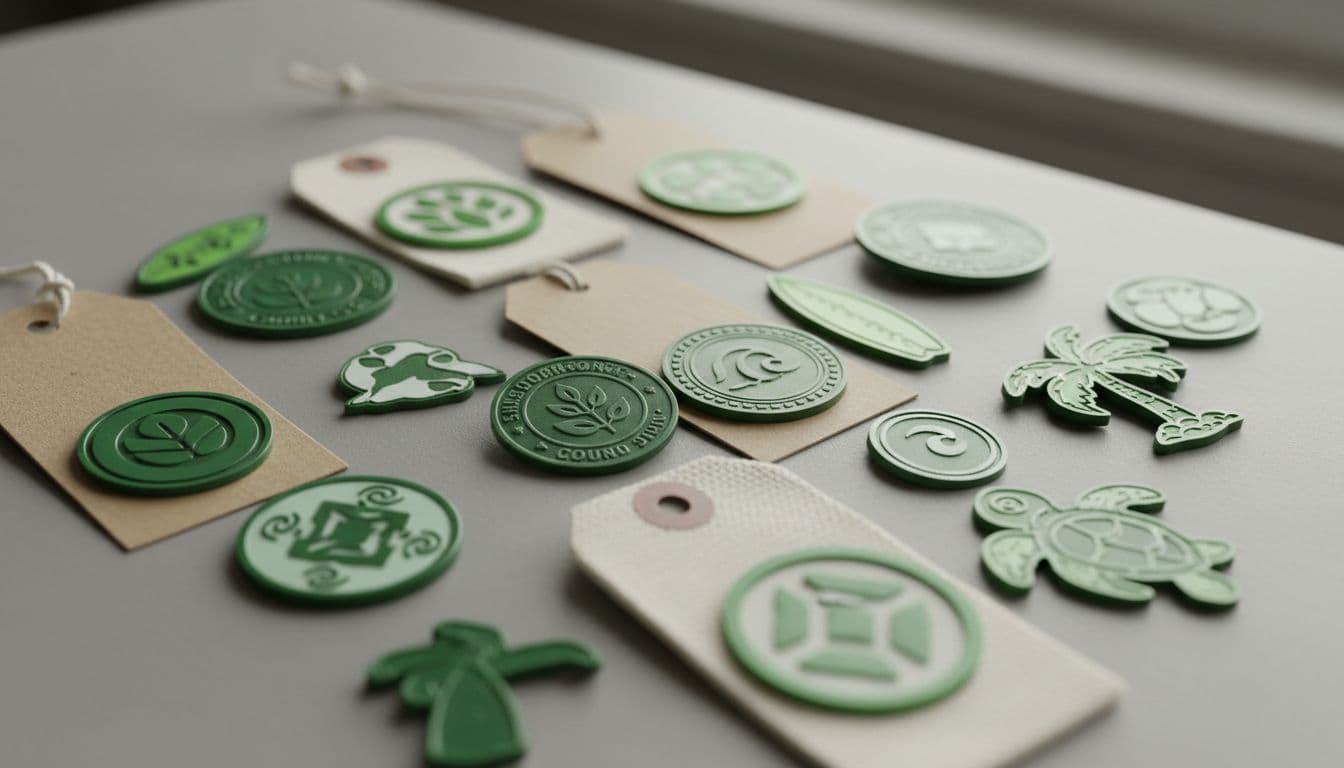
Surfwear sites love badges. Little green circles, leaf symbols, “Earth Approved” style icons, and house-made stamps that feel important.
Some certifications do matter. Well-known recycled standards, organic cotton certifications, and FSC for paper packaging can be useful when they are item-specific and traceable. But plenty of logos are just design choices in disguise.
Click the badge. A real standard should lead to a clear explanation of what it covers, who runs it, and whether it applies to that exact product. If the badge leads to vague brand copy, or nowhere at all, treat it like decoration. Also check the scope. A brand-level badge is not the same as product-level chain-of-custody.
Red flag 9: Harmful core materials rebranded as “sustainable”
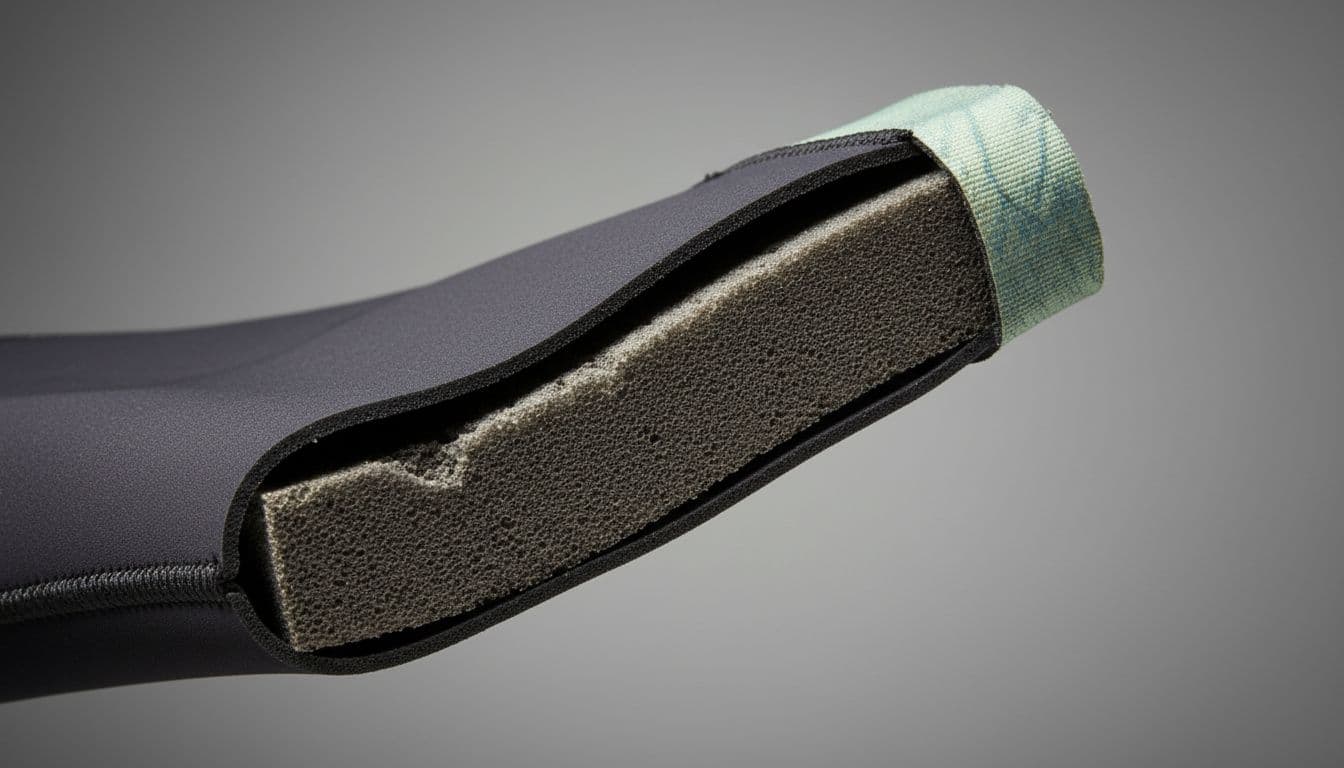
This one cuts right through surfing’s gear culture. Wetsuits, stretchy swimwear, and a lot of performance kit still rely on fossil-based materials and heavy chemical processing.
Some brands call a wetsuit “eco” because they switched one lining, added a recycled jersey, or changed a small part of the formula. Yet the main material stays chloroprene or another high-impact synthetic. Others market a bikini as sustainable when the main fabric is still mostly virgin polyester, just with a slightly nicer dye story.
So ask the obvious question: has the main material changed, or just the edges? That answer matters. Recycled trims and nicer tags don’t cancel out a dirty core.
Red flag 10: No mention of durability, repair, or end of life
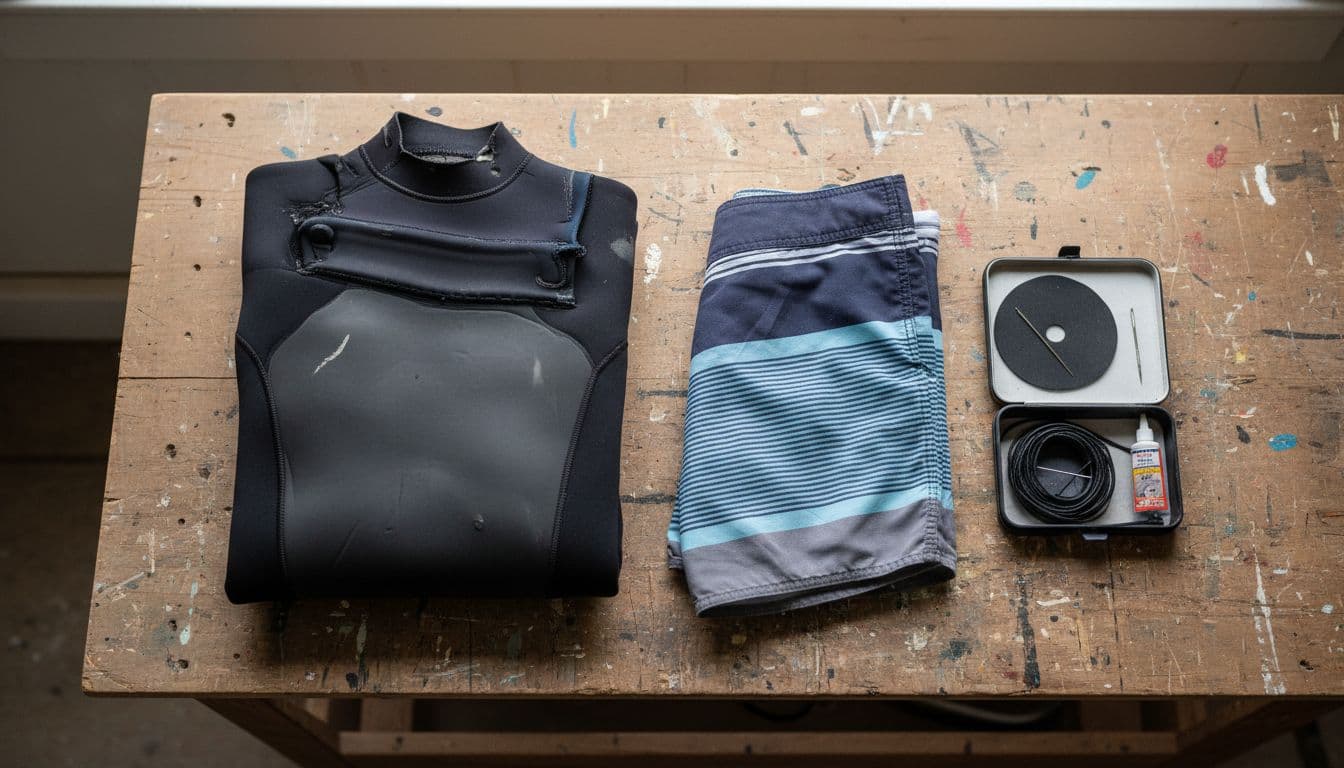
A surfwear brand can talk all day about “better materials,” but if the gear falls apart fast, the ocean still loses.
Real sustainability isn’t just about what a product is made from. It’s also about how long it lasts, whether it can be repaired, and what happens when it’s finally done. If a brand never mentions durability testing, warranties, spare parts, repairs, resale, or take-back, it’s still thinking in churn.
That matters because the strongest move is often the least glamorous one, keep gear in use longer and make less of it. Reduction beats hype. Repair beats a fresh “eco” drop. A recycled bikini that dies after one summer isn’t a win, no matter how nice the hangtag looks.
How to Choose Surfwear That’s Actually Better for the Ocean
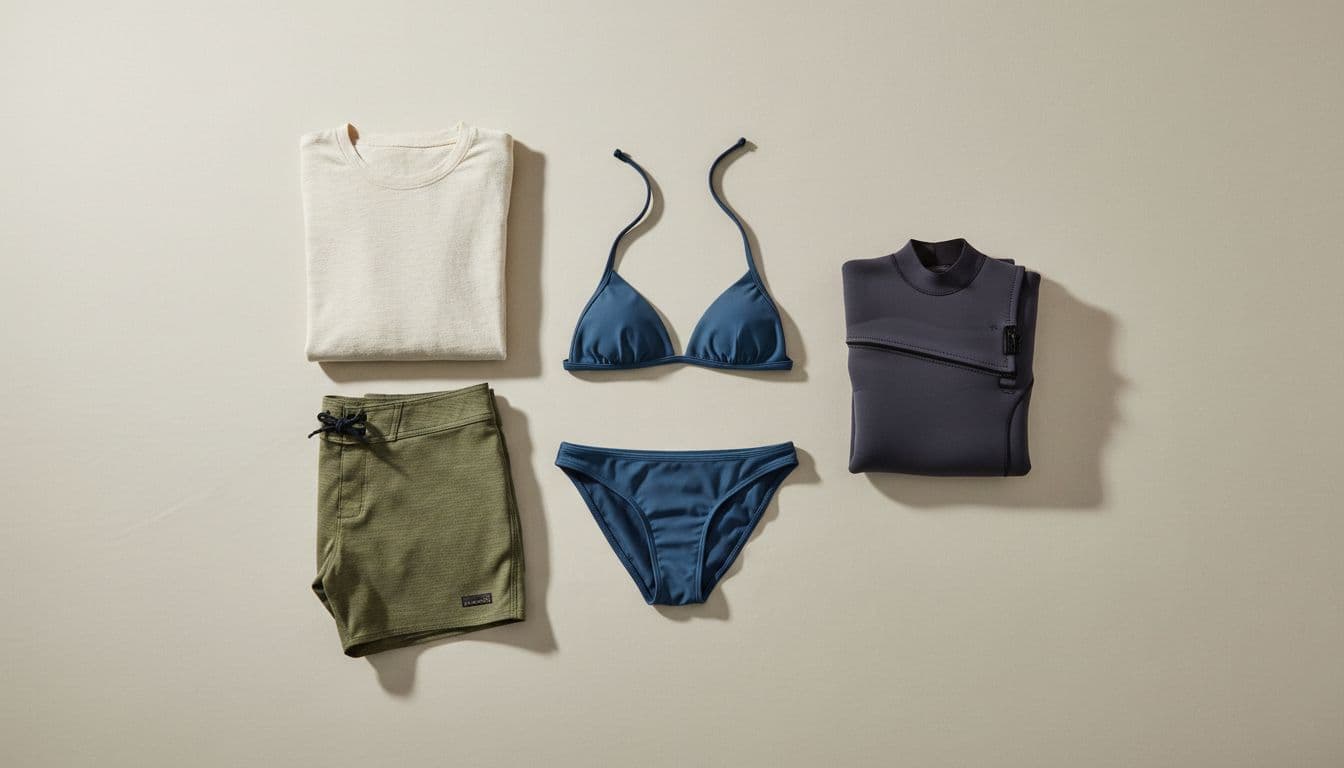
The upside is simple. Once you know the red flags, shopping gets clearer. The noise drops away, and the patterns become easier to read.
Start with the material list. Organic cotton, hemp, natural fibers where they make sense, and higher recycled-content fabrics are usually better bets than virgin synthetics. With wetsuits and technical gear, look for brands that explain the core material honestly, not just the lining or trim.
Then check for supply chain detail. A solid product page should tell you what the item is made from, where it was sewn, and, ideally, who made it. Better still, the brand should publish reports, repair options, or clear targets for cutting waste and synthetic volume. Honest brands often sound a bit less glossy, because they’re willing to admit limits instead of hiding them.
Design matters too. Simple, durable gear that works year after year usually beats trend-driven prints you’ll go off in one season. The cleanest buy is often the thing you’ll wear for ages, repair when needed, and pass on when you’re done. That’s not flashy. It just works.
If you want a wider read, resources like GoodOnYou’s guide to ethical surfwear or Surfbrands.org’s list of eco friendly surf brands can help map the field. They’re not perfect, but they’re a useful starting point. Most importantly, slow the buying rhythm down. Ask questions in the shop. Email customer service. If a brand can’t give straight answers on fabric, factory, shedding, or durability, it hasn’t earned your cash.
A quick checklist to use on any product page or hangtag
Run through this before you hit buy:
- What is it made of? Look for full percentages, not vague phrases like “contains recycled fibers.”
- Where was it made? Check for the country, and ideally the factory or supplier.
- What proof backs the claim? Look for data, reports, chain-of-custody, or real certifications.
- Will it last? Check for repair support, warranty info, and signs of durable construction.
- What happens at end of life? Look for take-back, resale, or at least honest disposal guidance.
- How big is the change? See whether the whole range is shifting, or just one tiny capsule.
- Does the brand address shedding? If it’s synthetic, ask whether it publishes microfiber or low-shed testing.
If a product passes most of those checks, you’re probably looking at substance, not just styling.
Supporting Surf Brands That Walk the Talk
Money is a vote. Every surf tee, bikini, wetsuit, or pair of boardshorts helps decide what kind of gear fills the lineup next year.
Back the brands that show their working. That means clear material goals, named standards, repair support, item-level details, and public reporting that goes beyond mood boards and ocean quotes. It also means supporting businesses that make less stuff, keep it in use longer, and don’t pretend “recycled” alone solves a plastic problem.
This is where surf culture can either sharpen up or keep sleepwalking. If we keep rewarding the prettiest eco story, brands will keep feeding us more of it. If we reward proof, durability, lower production, and straight answers, the market starts to shift. Not overnight, but it shifts.
Independent reporting, deep supply chain work, and founder interviews matter here too. They help separate honest effort from polished spin. So stay curious. Ask blunt questions on social media. Message brands directly. Reward clear answers, even when they admit trade-offs. That’s how you build pressure without getting rinsed by the marketing department.
When a brand treats you like a participant in change, not just a target for sales, you can feel the difference.
Conclusion
Spotting these ten red flags doesn’t make you the fun police. It makes you a sharper ocean defender with a better eye for proof over polish.
Every piece of surfwear sends a signal. It either props up greenwashing in surfwear, or it supports brands pushing for better fabrics, fairer labor, stronger repair culture, and longer-lasting gear. There is no perfect product, but there are more honest ones.
So pause before you hit “add to cart.” Read the fine print. Ask the awkward question. Look past the leaf icon, the turtle graphic, and the beachy copy. Then back the brands that respect the sea enough to show receipts.
If enough of us surf, buy, and speak that way, the industry will have to follow the swell, not just print it on a hangtag.the brands that respect the sea as much as you do. If enough of us surf, buy, and speak with that mindset, the industry will have to follow the swell, not just paint it on a hangtag.
 Our Souls of the Sea