You’re paddling out at dawn, board slicing through the glassy water like a knife. The lineup’s empty at your favourite secret spot, no kooks, or influencers in sight. Salty spray stings your eyes, adrenaline pumps, and for a split second, life’s as pure as a peeling pointbreak. But wait, zoom out,. While we’re all chasing that endless summer high, supposedly ocean loving corporations and organisations are busy paddling into their own blown out and heavily polluted slop: “sustainable” buzzwords that wash away faster than a sandbar in a storm. Big talk on eco-cred, but are their ethics leaking like a post surf nasal gush?
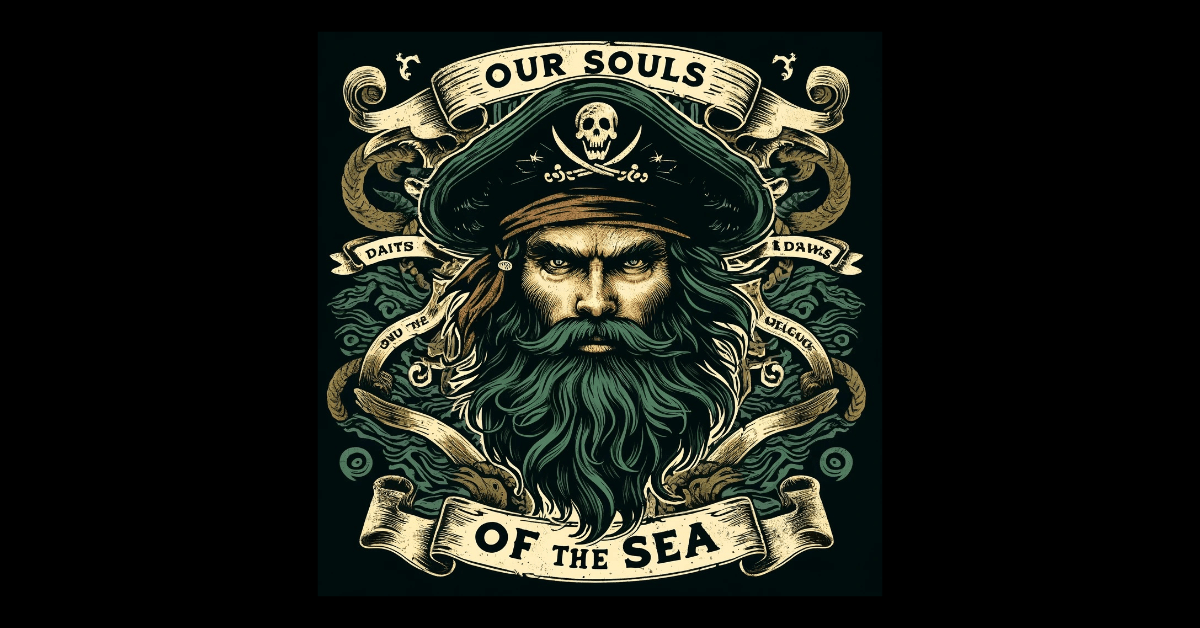
Enter Our Souls of the Sea (read it again, this time out loud 😉), your cheeky protest crew, recognisable from our wink and perma-raised middle finger. We’re flipping the bird, and the script, on greenwashing. Think ethics that seal watertight against the elements, and morals that hold firm in the strongest groundswell, with no drips and no dodgy shortcuts. We’re exposing ocean abuse, often from angles you may not have considered.
But here’s the real undertow beneath it all. We’re metaphorically raising the creatures of the deep, those ancient guardians that have slumbered too long beneath the waves and we’re calling them back to their full, ferocious power.
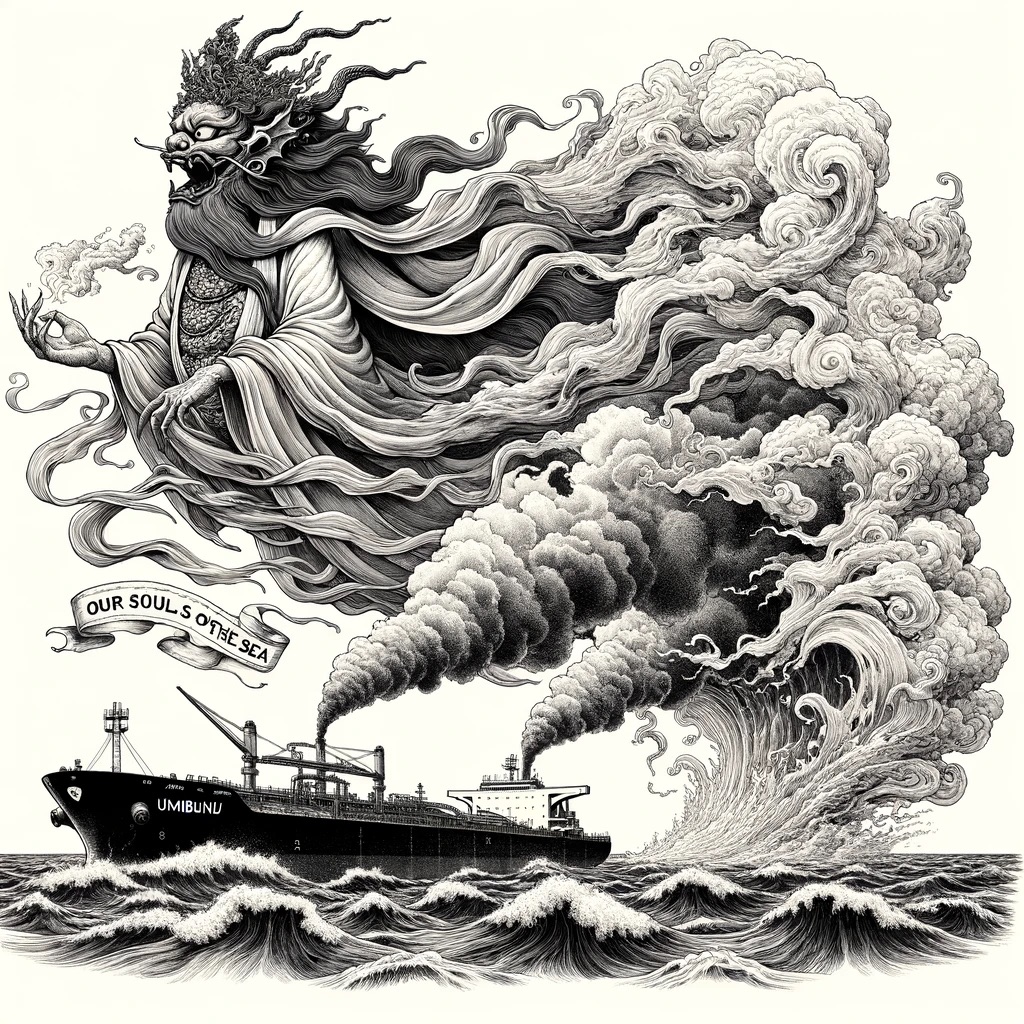
Not as fairy tales, but unstoppable forces that surge up to shield every reef, every beach, and every soul who truly lives by the ocean’s heartbeat. This is our passionate roar that says f**k the plunder, f**k the convenient silences, and f**k the half-measures.
Now the even more serious bit
Our ultimate goal is to build a truly philanthropic platform that supports people who rely on the ocean. Not just for their livelihoods, but for the lives of their families and the wellbeing of their communities.
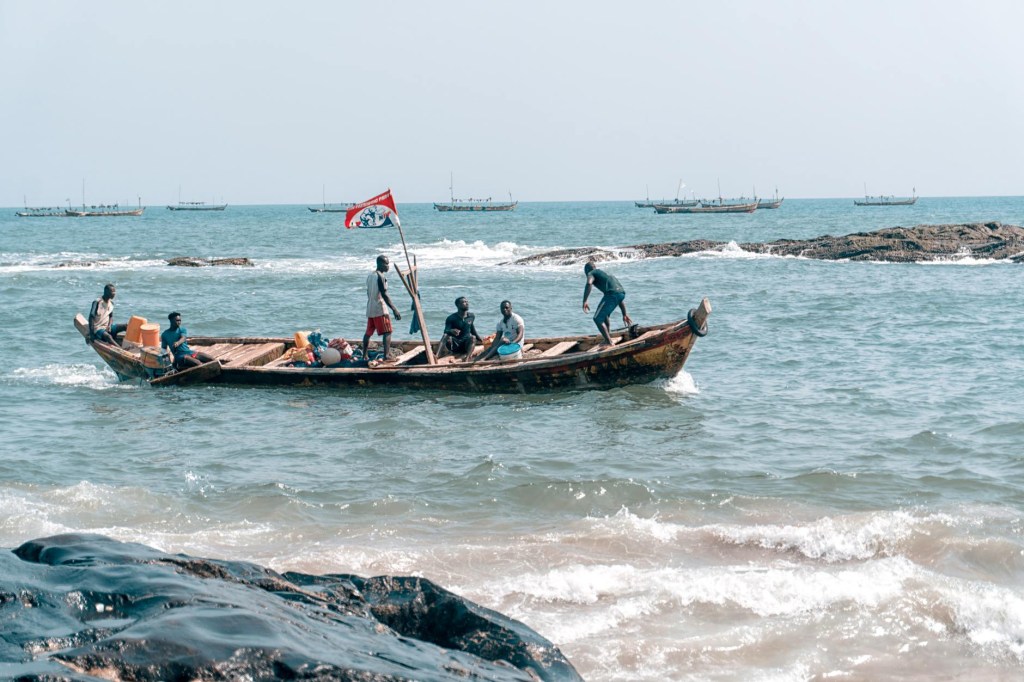
People who are suffering first hand from prolific ocean abuse, be it grotesque industrial fishing, destructive sea grass or kelp bed removal, or devastated local habitats due to pollution. These are just a few examples of the real story of global ocean issues.
We aim to provide essential resources, education, and support, as well as giving these often unheard voices a platform to shout from. We know this is a long road with significant obstacles, but we are committed with all of our energy!
We believe step one of our journey is calling out some of the bulls**t and raising awareness of what can be achieved when profit, bonuses, and share value isn’t the only focus.
“Leaky Ethics”: what greenwashing looks like from the lineup
Greenwashing is simple! It’s when a brand sells you a nice story, but keeps the messy bits off-camera. The words sound ocean and earth friendly. The photos are all natural tones and beautiful smiles. Yet the full picture never quite shows up, like a surfer who only posts their best rides but never the wipeouts.
It’s when someone rocks up with a fresh eco garment, tags still on, and talks about saving the sea while buying their third new hoodie this month. That’s not an ethical failure, it’s a marketing system doing what it does best! Turning guilt into “cha-ching.”
Here’s what it often looks like in watersports gear marketing:
- A product gets called “conscious”, but nothing says what changed.
- A recycled fabric gets celebrated, while the rest of the supply chain stays quiet.
- A charity collab gets shouted out, but the brand won’t talk about production volume.
- A “plastic-free” flex shows up, while the parcel arrives wrapped like a Christmas ham.
None of this means every brand is evil. Plenty of people in these companies care, and some projects genuinely help. The problem is the gap between the slogan and the system. If a brand’s ethics only show up on hangtags (or hashtags), they won’t survive a proper rinse in saltwater.
If a claim “saves the ocean” but can’t explain the basics, it can’t tread water, let alone swim.
Spot the drip: the easiest red flags to check before you buy
Before you buy, run a quick “does something smell like sewage” test. These red flags show up a lot in ethical apparel and hardware claims, and they’re common in greenwashing in industry marketing too:
- Vague words like “eco-friendly” or “conscious” with no clear meaning.
- No supply chain detail, no factories, no materials list that goes beyond buzzwords.
- Limited-edition “ocean” drops that feel more like hype than a long-term plan.
- Recycled content with no percentage, so it could be 2% and a big smile.
- No repair policy, even though repairs are the easiest win for impact.
- Heavy packaging, especially fancy boxes for basic items.
- Carbon claims with no scope, because “carbon-neutral” can hide a lot.
- Charity tie-ins as a shield, where donations replace hard questions.
So what does “leak-proof” actually mean, beyond the slogans?
Leak-proof ethics means three things: no hidden harm, full transparency, and systems that aim to cut new production. In other words, it’s not just “less bad.” It’s circular by design.
Think of a wetsuit seam that starts to split. At first, it’s tiny. Then one chilly duck dive later, the tear spreads and you’re shivering through your session. Ethics work like that too. If a brand won’t talk about materials, labour standards, waste, and end-of-life, the weak seam will blow eventually.
To be fair, some bigger labels have done real work on repairs, traceability, and better fabrics. You can respect that and still ask for more. Gaps can exist even when intentions are good. “Leak-proof” isn’t a vibe, it’s proof you can check, because the whole point is that you shouldn’t need blind faith.
For Our Souls of the Sea, that proof looks like a zero-new-fibre approach that we are working hard to implement: For phase one, we plan to re-market pre-loved natural fibre clothing from watersports brands as well as second hand hardware that would otherwise be directed to landfill. Phase two involves sourcing second-hand, natural-fibre blank garments, removing any identifying tags (keeping wash instructions), then printing our logos with eco-inks.
Once established, we plan to back it with repair and reprint options through third-party partners, plus a take-back programme for end-of-life fibre recycling.
As part of our brand evolution, we will reach out to legacy and smaller brands to see if they will partner with us for a “verified by” scheme where Our Souls of the Sea is authorised to re-sell fully branded second hand clothing, with subtle OSotS additional logos.
That’s the potential for genuine circular economy in ocean wear, and it’s the backbone of a zero-impact brand model. We will then use any proceeds to finance the next round of product, with profits going straight into our philanthropic program.
How to join the “Our souls wave” without getting rinsed
You don’t have to buy anything to be part of this. Start where you are. Wear what you’ve got. Mend the rip. Swap with a mate. Pass on an old surfboard to a grom! The ocean doesn’t care if your tee is “new season”. It cares what ends up in the water and on the beaches.
Still, if you do want to support a cleaner cycle, the play is simple: push demand towards upcycled ocean gear, repairs, and take-back. That means fewer new items made, and more life squeezed out of what already exists.
If you want extra context, these might help you sharpen your radar and stay stoked, not cynical: 2025 Surf Trends and Greenwashing Exposés. For the practical stuff (salt, sun, zips, and those mystery smells), see How to Make Your Surf Kit Last Longer.
A simple step-by-step: buy less new, keep it longer, pass it back
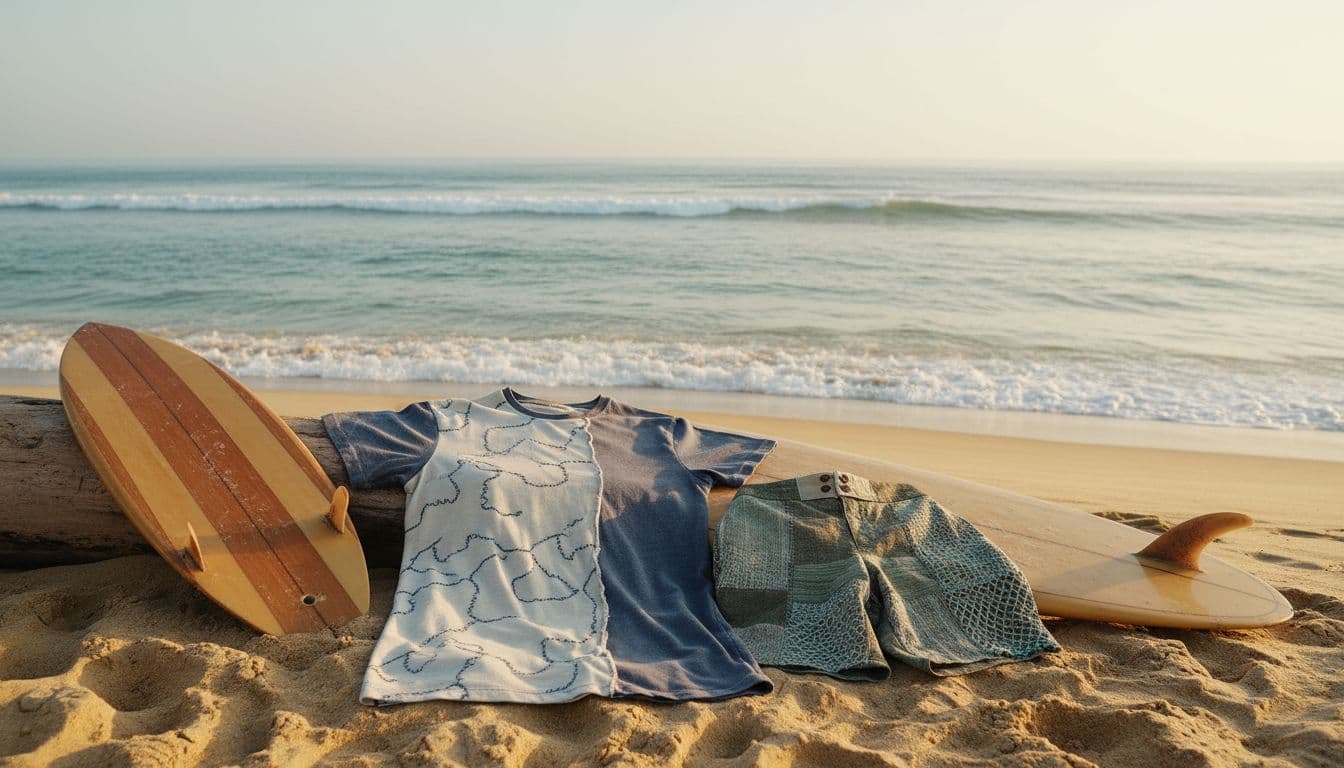
- Buy upcycled first, because it’s cheaper than most “premium eco” lines and it keeps waste in play.
- Choose simple, hard-wearing pieces, so your wardrobe doesn’t wipe out after one season.
- Repair or reprint instead of replacing, because the longest-lasting item is the one you keep.
- Return worn-out natural-fibre gear through take-back, so recycling can close the loop.
- Share swaps and repairs in your crew, since community habits scale faster than solo perfection.
That’s sustainable ocean sports without the fake halo. It’s also ocean conservation that doesn’t rely on vibes alone.
Call out the leaks: share your best (and worst) “eco” brand moments
Got a brand that talked “save the sea” while shipping a single rash vest in half a forest? Or a repair win that kept your favourite shorts alive for two more summers? Push back! Send it in. Comment, message, or shout it across the car park, then bring the receipts.
Check out this quote from our article Sustainable Surf E-Commerce: Yeah Right!
“In my opinion, taking delivery of a petrochemical based surfboard made in China, a wetsuit made from limestone mined by diesel powered machinery (even worse a neoprene wetsuit manufactured with the cancer causing substance Chloroprene), or a “fashion item” made from open-loop, microplastic shedding polyester, produced with questionable labour ethics, and wrapping it with recycled paper in a factory powered by Octopus Energy does not make you a pioneer of sustainability!”
If you want to press a brand without starting a bunfight, try this friendly script:
- “Can you share where this was made, and what the fabric is made of?”
- “What’s your repair or take-back policy, and how do I use it?”
- “What does your ‘carbon-neutral’ claim cover, and what’s left out?”
You’re not being difficult. You’re being seawater-proof. And if someone in their customer service acts like basic questions are rude, well, that tells you exactly whose ethics are leaking. Keep it classy, keep it sharp, keep it Leak-Proof Ethics.
Conclusion
Leak-proof ethics isn’t about buying the “perfect” product. It’s about refusing vague claims, asking better questions, and backing systems that cut new production. Upcycling keeps gear in the water, repairs keep it out of landfill, and take-back closes the loop so the cycle stops bleeding into the sea.
If you’re tired of ocean-flavoured marketing, you’re not alone. Let’s build a surf culture where transparency is normal, not a special feature. Run the rinse test, trust your gut, and ride with Leak-Proof Ethics. After all, a good seal keeps the warmth in, and the leaks out.
 Our Souls of the Sea