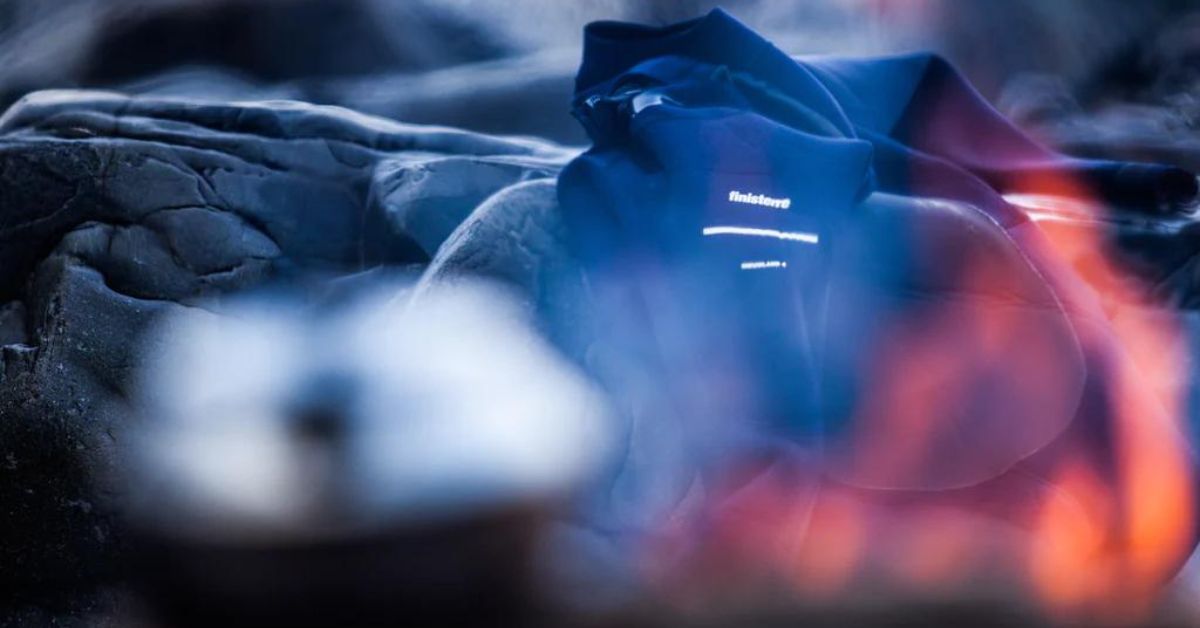
Going cold turkey on neoprene isn’t quite as easy as it might seem, however the way Yulex LLC pushes the industry to do better is nothing short of impressive.
Our entire wetsuit collection at Our Souls of the Sea – 5/4s to 3/2s to tops – is Yulex based, thanks to Finisterre and Patagonia. It’s been a fascinating journey transitioning away from conventional wetsuits, but it came with its own challenges.
Dropping neoprene isn’t as straightforward as it seems. Our Souls of the Sea believe it’s time to lower the barriers..

Neoprene has been a staple in the surf industry since the 70s, and the amount of money thrown at R&D to improve neoprene-based wetsuit tech has been immense. For a long time, the fossil-fuel based material seemed like the only way to achieve warmth and flexibility.
This created a compelling narrative about the importance of neoprene in the surf industry, despite the staggering impact petroleum-based wetsuits have on the environment.
The Problem with Quitting Neoprene.
For starters, perception is a powerful instrument. So when a brand decides to switch its wetsuits to other materials, it’s going against the grain and possibly alienating core consumers. If history has taught us anything, it is incredibly hard to change people’s perceptions or opinions they already have.
I would even go a step further. I argue that most people recognise that neoprene is bad for them and the environment, but they often feel it’s the only viable and affordable option that ticks all the boxes in terms of performance, warmth and flexibility, and the surf media is, in part, to blame for it.
How often have you come across statements like, “neoprene-free wetsuits aren’t as flexible” or “the technology just isn’t there yet,” written and published by some of the most respected names in the industry?
These are scare tactics at their best, further undermining the need for change and encouraging people to stick with the same old materials.

It’s not just the surf industry, either. This is a problem across almost all sectors, where companies are quick to take the ‘easy way out’, rather than invest resources into sustainable solutions that will benefit us all in the long run.
On the flip side, we desperately need more quality alternatives. We all know that neoprene-free wetsuits are possible, but beyond Finisterre, Patagonia, and, of course, a handful of other brands I haven’t mentioned, there is limited availability and high price points.
This lack of real choice makes it hard to shift the industry away from polluting materials. This isn’t on Yulex or the consumers, but on the heritage brands that continue to employ a half-hearted approach to sustainable solutions in favour of convenience and the bottom line.
The future of surfing rely on this new mindset being implemented. The future of our planet relies on this shift in mindset being demonstrated by companies driven less by the bottom line, and more by the opportunity to mitigate decades of environmental abuse.
Wetsuit brands must be held to task regarding the processes they use. I’m not saying that all wetsuit manufacturers currently do nothing to reduce the level of harm, I will, however, say that I personally don’t believe the majority are doing enough, or everything they can.
The blueprints are there, Patagonia, Finisterre and a few outliers have proven the formula, it’s now down to the legacy brands to change the processes that have been embedded over the years and down to surfers to take personal responsibility for their choices.
 Our Souls of the Sea