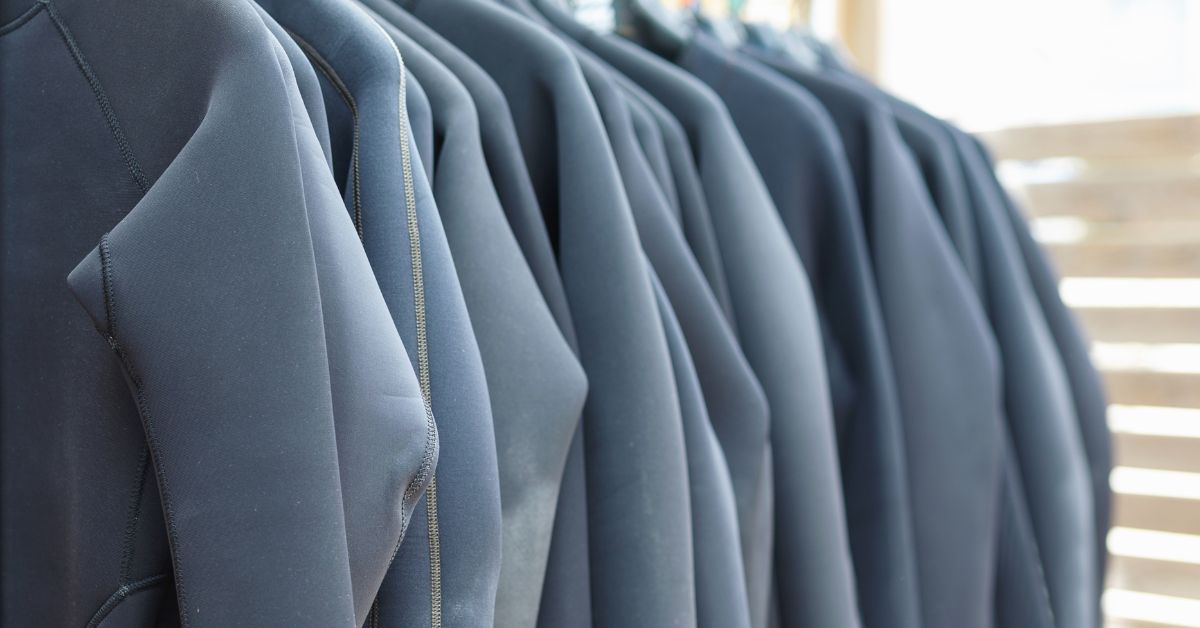
Chloroprene is a chemical compound used in the production of various materials, including rubber, elastomers, adhesives, coatings, and most pertinently in the context of this article, neoprene, the material that your wetsuit is most likely made from.
The versatile compound is produced industrially by the chlorination of butadiene, a hydrocarbon derived from crude oil.
That’s right guys, from crude oil. You know, the stuff that we are told on a daily basis is a finite resource, a major contributor to climate change, and the substance that’s been at the heart of some of the most impactful environmental disasters throughout history.
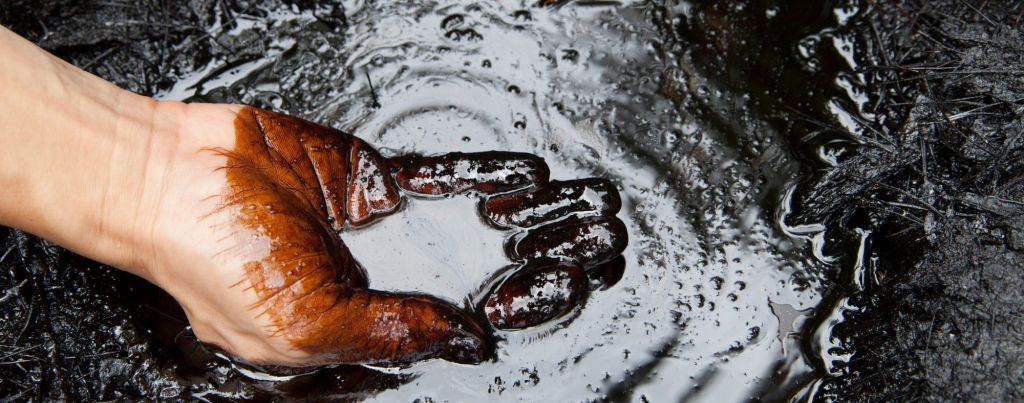
Be honest, you already knew this didn’t you? Or if you weren’t aware of the exact facts I’ve stated above you definitely had an intrinsic knowledge that your wetsuit wasn’t all that great for planet earth.
But knowing that your wetsuit is made from a processed synthetic material containing a fossil fuel isn’t enough to stop you throwing away your old one (knowing full well it won’t be recycled) and buying a new one. Despite you being acutely aware of messaging like:
“Reducing our production and use of crude oil is an important step towards building a more sustainable and liveable future.”
It’s also not enough to motivate you to call out your surf buddies who wear neoprene wetsuits, or even more importantly the companies who continue to manufacture and sell neoprene wetsuits. It’s not even enough to get you to shout GREENWASHING at every advertising campaign you see from said manufacturers that involves sustainability, eco-friendliness, or saving the planet.
I’m sure I’ve ruffled enough feathers that right now a few of you are loudly proclaiming “f@@k off, my wetsuits made of Limestone Neoprene, that doesn’t contain chloroprene, I’m a sustainable surfer!”
I ask you to do one thing, think about the machines used to mine the limestone, crush the limestone, powder the limestone, then transport the limestone around the world. What do all of those machines run on?
Oil!
Really want to have the conversation about being a sustainable surfer? Put it this way, round two is going to involve us discussing the number of miles you drive and fly in the pursuit of a few waves so let’s leave it there shall we.
Anyway, that aside.
We’ve ascertained that you’re unmoved by the fact your wetsuit is made of a non recyclable, fossil fuel containing material, by companies who bullshit their way towards plaudits for being guardians of our planet.
What if I told you that Chloroprene messes people up? I mean messes them up really badly!

Chronic exposure to chloroprene can cause respiratory, liver, and kidney damage, as well as damage to the central nervous system.
Not bad enough? Ok.
Chloroprene is also classified as a possible human carcinogen by the International Agency for Research on Cancer (IARC). Long-term exposure to chloroprene has been linked to an increased risk of lung, liver, and kidney cancer.
Pretty bad eh?
But maybe not enough to put you off neoprene. “That’s all well and good” I hear you cry “but there must be legislation that regulates the use and exposure of such a noxious substance!”
Correct.
In fact the USA is pretty adamant that protective measures need to be implemented.
The Occupational Safety and Health Administration (OSHA) has established a Permissible Exposure Limit (PEL) of 5 parts per million (ppm) over an 8-hour workday for chloroprene.
Meanwhile, the National Institute for Occupational Safety and Health (NIOSH) has recommended a Recommended Exposure Limit (REL) of 1 ppm as a time-weighted average over an 8-hour workday.
So concerned are they in fact, the following message is broadcast to all US based handlers of Chloroprene:
“It is important to note that exposure to chloroprene at or below the established exposure limits does not guarantee that it is safe. Employers should still implement additional measures such as engineering controls, personal protective equipment, and employee training to ensure the health and safety of their workers in the presence of chloroprene.”
All good stuff.
Until you learn that the majority of Chloroprene is produced in China
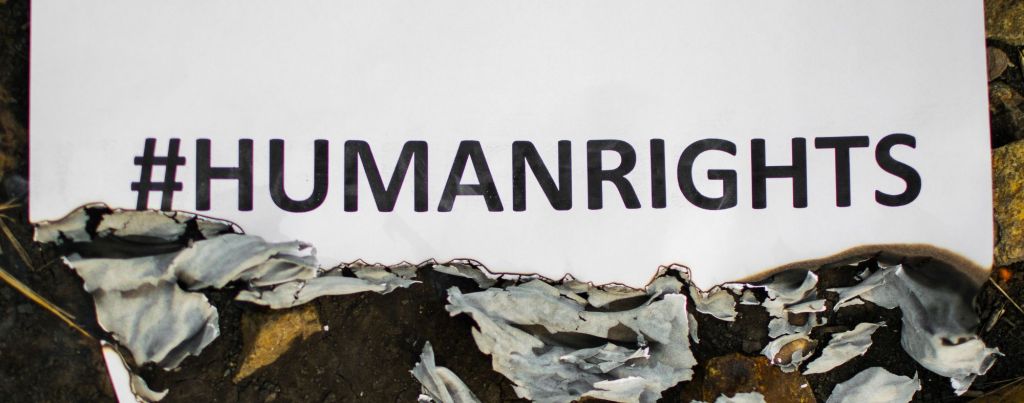
The same China that has been criticised for systemic human rights abuses. The same China whose government has been repeatedly accused of violating workers’ rights, including forced labor and poor working conditions.
As someone who generally deals with evidence based facts and well researched data, I feel like I’m doing a disservice whenever I lean towards writing an opinion piece.
But f@@k it!
In this instance I’m doing it!
I opine that at least some of the vast quantities of Chloroprene produced has been in Chinese factories where they haven’t necessarily adhered to recommended exposure limits.
I also opine that the lives of some people have been massively impacted by Chloroprene exposure in these deregulated factories.
I then go as far as to say that, in my opinion, some of the Chloroprene produced in these substandard environments has made it into neoprene used for surfing wetsuits.
The manufacture of some wetsuits has messed people up pretty f@@king badly.
How does that sit with you?
The next time you see a wetsuit company flaunting their eco-credentials call them out. Email, DM, leave comments. Ask them if they still make neoprene wetsuits. Ask them where their Chloroprene comes from?
Ask them if they care…
There are other options out there. There are plant-based materials that innovative companies are using to build awesome wetsuits. Sure, they cost a bit more and they feel a bit different, but they don’t f@@k up the planet and they sure don’t f@@k up peoples lives.
Your choice…
 Our Souls of the Sea
5 thoughts on “Your Wetsuit isn’t Just Bad for the Planet, it’s Pretty Bad for People as Well”