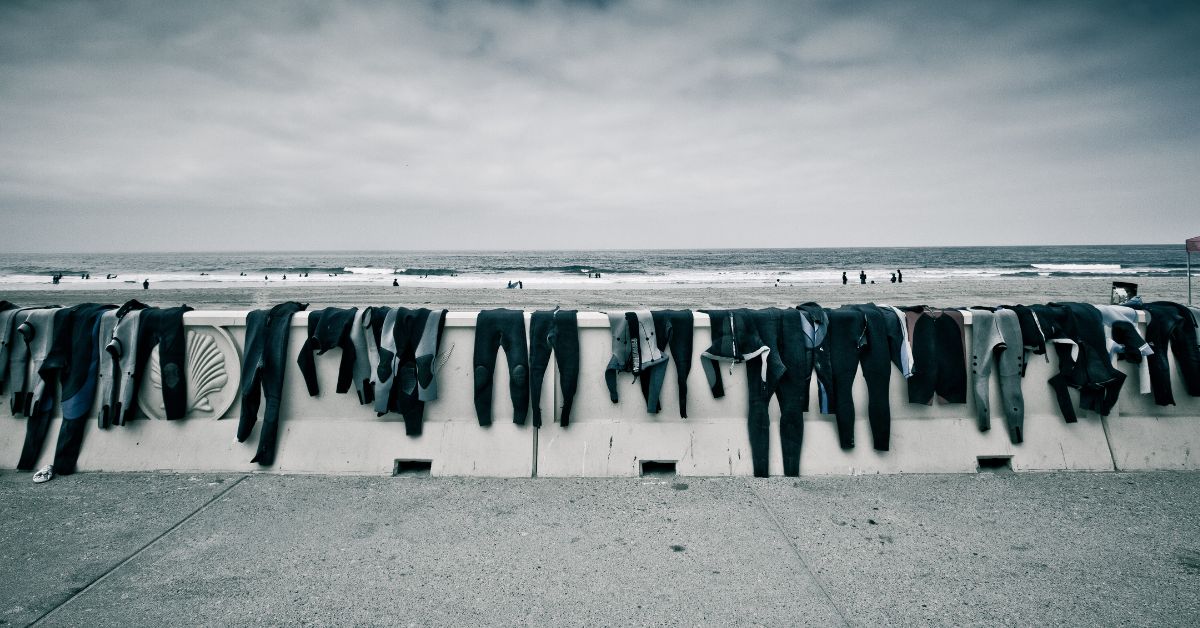
Neoprene is the common name for ‘polychloroprene’. It is a type of synthetic rubber that can be stretched up to 15 times its original length and still return to its original size once it has been released. Neoprene wetsuits have amazing insulating properties, keeping surfers and other water sports enthusiasts warm in the coldest water conditions. Unfortunately, neoprene is a non-renewable, fossil fuel based material with a complex structure.
A staggering 8,380 tonnes of discarded wetsuits end up in landfill each year. Imagine 400 double decker buses parked up side by side, that’s the sort of weight we’re talking about! The cold, hard truth is that most of these wetsuits end up being incinerated.
Why is it so Difficult to Recycle Neoprene?
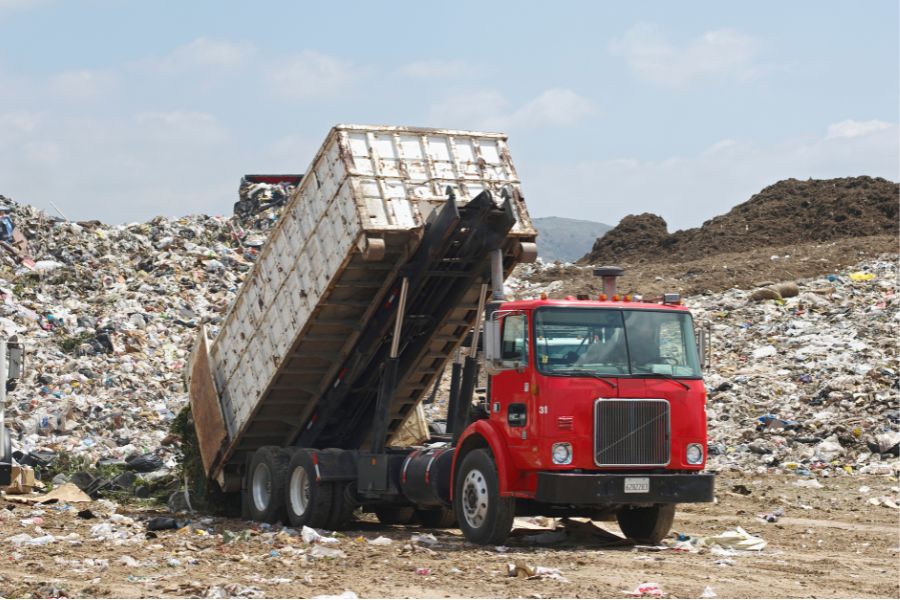
Recycling initiatives for neoprene wetsuits tend to focus on the chlorinated and fluorinated foams used as insulation in diving suits or other thermal garments rather than entire wetsuits. The fact that neoprene is not biodegradable has been identified as a major barrier to sustainability and recycling initiatives.
As a result neoprene is not recycled on a large scale.
Neoprene is made from chlorinated polyethyelene (CPE). CPE has a high melting point and is resistant to breakdown. If CPE becomes contaminated by other materials, it becomes very difficult to recycle. For example, if a wetsuit is contaminated by sea salt it becomes difficult to recycle as the neoprene is stiffer and more brittle. If the salt is not removed, it can also cause problems during the recycling process by creating electrical conductivity issues.
The spongey texture of neoprene is also a problem. This texture gives neoprene its thermal qualities and makes it so flexible. However, it also makes the material very difficult to break down. This means a neoprene wetsuit must be shredded into small pieces before the recycling process can begin.
How is neoprene recycled?
Wetsuits are currently shredded into small pieces and melted down to liquid form so the chlorinated polyethylene can be reused as feedstock for other products. If there are no contaminants present, the material can be used as a raw material for a variety of industrial applications such as conveyor belts.
If the neoprene is contaminated by salt or other substances, it can be mixed with other materials with a lower melting point and recycled for other uses. It can also be used to generate electricity and heat.
Some companies use the shredded material to make items like yoga mats, clothing, and insulation. Is is also sometimes used to make artificial reefs in coastal areas. As explained above, the difficulty of recycling neoprene is due to the fact that it is resistant to breakdown, contains contaminants, and is constructed with a unique spongey texture.
Ideas for Improving the Recyclability of Neoprene Wetsuits

Developing ways of transforming CPE into a material that is easier to break down.
Changing the properties of the spongey texture so that it is easier to crush when the wetsuits are being shredded.
Changing the process for recycling wetsuits so that contaminants, such as salt, are removed before the process begins.
Changing the design of the wetsuits so that they are easier to recycle.
The Future of Recycling Neoprene Wetsuits

“There have been great advances in eco wetsuits and the search for alternatives to petroleum-based neoprene, but the real elephant in the room for the water-sports industry is what to do with a wetsuit at the end of its functional life.”
Tommy Kay – Founder of Finisterre
Eco-conscious brands like Patagonia and Finisterre are fully committing to eradicating neoprene, opting for Yulex, a plant based solution across their entire range of wetsuits. Other companies including Vissla and Wildsuits are manufacturing their wetsuits using limestone based neoprene, which is a greener choice that traditional neoprene, although there is still significant environmental impact from the extraction and processing of limestone.
It is fantastic that we are seeing alternative materials entering the market, however, while there are neoprene wetsuits being manufactured and used we still face the significant issue of end of life processes.
Circular Flow
Georgi Marinov operates his own wetsuit and neoprene manufacturing company, Runawave Sport. Marinov is an ethical and eco-conscious business owner who has long been committed to sustainable manufacturing. Georgi has focussed on the recycling of neoprene wetsuits, searching for ways to recycle them again and again and again.
Circular Flow is the project that looks to stop over one million wetsuits from reaching landfill. Marinov and the circular flow team have developed a complex proprietary process to produce “new” sheets of neoprene material from discarded wetsuits. The image below gives an overview of how they process the waste neoprene.
Tommy Kay – Founder of Finisterre

In conjunction with Finisterre they are committed to producing the worlds first “Wetsuits From Wetsuits“.
“We want to deliver the world’s first recyclable wetsuit for testing in Autumn this year. Progress is good and we’re now moving into the design phase of the programme. Right now, no idea is a bad idea. We’re being very open-minded and exploring ideas that are far-out as well as those that involve simple, minor tweaks to our current Nieuwland suit. Watch this space!”
Jenny Banks – Finisterre Wetsuit Recycler
What can I do with my old wetsuit?
Why not reuse your old wetsuit by repairing or modifying it. For example cutting off the arms and/or legs and sewing a new seam gives the wetsuit new life as a shorty or spring suit. Repurpose the wetsuit material into a custom made bags, purses, or mouse mats, or perhaps you can donate it to one of the amazing organisations ensuring the wetsuit finds a new owner who needs it the most.
Who repurposes neoprene wetsuits?
Green Guru Gear Turns Wetsuits into Bike Tyres
Dirtbags Turns Wetsuits into Coasters and Bags
Suga Turns Wetsuits into Yoga Mats
Lavarubber Turns Wetsuits into Coasters & Slippers
Neocombine Turns Wetsuits into Bracelets
Reborn Rubber Turns Wetsuits into Wallets
The Upcycle Movement Turns Wetsuits into Wallets & Bags
Barefoot Turns Wetsuits into Bags and Hats
Surfrider Foundation Turns Wetsuits into Yoga Mats
Which charities will reuse my old neoprene wetsuit?
Personal Responsibility

As water sports lovers we can take personal responsibility in terms of our wetsuit choices. Always look for the most eco-friendly option that aligns with your budget, if you can’t justify the $549 price tag of the Patagonia R4, why not take a look at the $340 Need Essentials 3/2 Yulex Zipperless as a budget AND eco friendly option.
A well looked after wetsuit will last years and years. My Finisterre Nieuwland 4mm is about to start its fifth winter and is still going strong. Make sure you follow the manufacturers guidelines and treat your suit with respect. Hanging it in a cool, dry, dark place when not in use will prolong its life; leaving it crumpled and wet in the trunk of your car definitely will not!
Repair your wetsuit! if the seam starts to open or some lining tape begins to peel, take a needle and thread to it, or find someone who will repair it for you.
Until the wetsuit industry fully commits to greener processes across the board, it is down to us to do everything we can to try and alleviate the environmental burden of end of life neoprene wetsuits!
 Our Souls of the Sea
6 thoughts on “Recycling Neoprene Wetsuits”